
How to Choose the Best Moving Company in Toronto: 12 Questions to Ask
Finding the best moving company in Toronto isn’t just about choosing the lowest hourly rate or the company with the most five-star reviews. A good mover should be able to explain how your move will work, what’s included in the quote and what could change the final cost.
Toronto moves come with challenges that don’t always show up in online estimates: busy condo loading docks, narrow streets, elevator reservation windows, downtown parking restrictions and long walks between the truck and your front door. A company that asks the right questions before moving day is usually better prepared for those details.
Whether you’re moving between downtown condos, leaving an Etobicoke apartment or relocating across the GTA, here are 12 questions to ask a moving company before you book.

On this page 16 sections
- Written estimate
- What the hourly rate includes
- Crew size and truck
- Insurance and protection
- Condo moving experience
- Parking and access
- Protecting your belongings
- Who performs your move
- Reading moving reviews
- Deposits and cancellation
- Avoiding extra charges
- Your moving-day plan
- Compare moving quotes
- Warning signs
- Frequently asked questions
- Request a Toronto moving quote
1. Will you provide a clear written estimate?
Ask for a written quote that identifies the crew size, hourly or flat-rate structure, truck details, minimum booking time, travel charges and other potential costs. A short message with only an hourly rate isn’t enough to compare two companies fairly.
For an hourly move, ask whether billing starts when the movers arrive, when the truck leaves the yard or at some other point. Also ask how time is rounded and what happens if the move takes longer than estimated.
Toronto tip: Show the company photos of your furniture, staircases, hallways and access points. The more accurate the inventory and access details, the more useful the estimate will be. You can also read our Toronto moving costs guide to understand the factors that affect a quote.
2. What is included in the hourly rate?
Two companies offering the same hourly rate may provide very different services. Ask whether their quote includes:
- Moving blankets and furniture padding;
- Dollies, moving straps and floor protection;
- Stretch wrap and basic furniture disassembly or reassembly;
- Truck use, fuel or travel time;
- Stairs, long-carry distances or oversized-item charges.
Never assume packing boxes, mattress covers or packing labour are included simply because furniture wrapping is included. Those are often separate services or materials.
3. How many movers and what size truck will be sent?
Crew size affects both speed and cost. Two movers may be a practical choice for a small apartment with straightforward access; a larger home or complicated condo move may benefit from an additional mover. Ask how the company chose its recommended crew and truck.
Also confirm whether everything is expected to fit in one trip. A truck that’s too small can create additional driving time, even when the hourly rate looks attractive.
If you’re only moving a few pieces, compare your options with a dedicated small-moves service in Toronto.
4. Is the company insured, and what does the coverage actually include?
Ask the mover to explain its commercial insurance and the coverage or liability terms that apply to your belongings. Find out how damage claims are documented, whether there are exclusions and what happens with unusually valuable or fragile items.
It’s reasonable to request proof of coverage rather than relying on a vague “fully insured” claim. Ontario’s guide to hiring a mover recommends checking a moving company’s insurance information before signing.
5. Do you regularly handle Toronto condo moves?
Moving between condos involves more than carrying boxes into an elevator. Buildings may have fixed booking windows, loading-dock procedures, protective padding requirements, separate entrances and move-in deposits. The rules vary by property.
Before accepting a booking, a good moving company should ask about the service elevator reservation, loading access, floor number and distance from the truck to the elevator at both locations.
Some condo moves require extra time just to get from the suite to the loading dock. Compare your plan against our Toronto condo moving service for a clearer picture of the work involved.
6. Who is responsible for parking and loading access?
Parking can make or break a moving-day schedule, particularly in downtown Toronto, Liberty Village, CityPlace and older neighbourhoods with limited curb space. Ask who will check truck clearance, access to loading areas and any building-specific loading instructions. For the street rules and planning details, read our Toronto moving-truck parking guide.
The City of Toronto’s parking regulations explain street parking rules, including provisions relating to moving vans actively loading or unloading. That does not override signs, restricted areas or other applicable rules: confirm the actual location before move day.
If the truck must park far away, ask whether the resulting long carry could affect the estimated time.
7. How will you protect floors, elevators and furniture?
Ask how the team plans to protect furniture corners, door frames, floors and common areas. Moving blankets, floor runners and proper dollies can reduce avoidable scrapes, particularly in tight condo hallways and homes with finished staircases.
For glass tables, large wardrobes, artwork or delicate electronics, explain exactly what you own and ask how the crew will prepare each item. Not every object should be handled the same way.
8. Who will actually perform the move?
Confirm the company’s legal or operating name, who will arrive and whether your move is handled by its own crew or subcontracted to another provider. Ask who your point of contact will be on moving day.
This matters if arrival times change, an item requires special handling or you need to discuss a billing question. You should know which company is responsible for your belongings from pickup to delivery.
9. What do recent reviews say about moves like mine?
Look beyond the average star rating. Read recent, detailed reviews that describe similar jobs: condo-to-condo moves, office relocations, long-distance deliveries or small apartment moves. Consistent comments about punctuality, communication, careful handling and clear billing are more useful than generic praise.
Check more than one platform where possible, and pay attention to how a company responds when a customer reports a problem. The federal Office of Consumer Affairs moving advice also recommends checking references before hiring.
10. What is your deposit and cancellation policy?
Before paying, ask how much the deposit is, what it secures, whether it is refundable and what happens if you change your date. The terms should be provided in writing, along with any rescheduling deadlines or cancellation fees.
Keep copies of your quote, payment confirmation and correspondence. Be especially cautious if a company changes important terms after the deposit is paid.
11. What could cause the final bill to exceed the estimate?
The biggest surprises often come from information that wasn’t shared ahead of time: extra furniture, unmentioned flights of stairs, a long walk from the truck, a missed elevator reservation or an address with limited truck access.
Ask the company to explain its process for changes to the job and for any additional work. Ontario provides consumer guidance on contracts and written estimates; the applicable rules depend on the type of agreement and circumstances.
A reliable quote should make the charging structure understandable before moving day, not after the truck is unloaded.
12. Can you give me a realistic moving-day plan?
A strong moving company should be willing to discuss start time, elevator windows, access, parking, protection requirements and which furniture needs preparation. They should also explain what you need to do before the crew arrives.
For multi-stop or long-distance moves from Toronto, clarify pickup arrangements, delivery expectations and how your belongings will be transported.
How to compare Toronto moving quotes fairly
When you receive two or three estimates, compare them using the same inventory, addresses, date and access details. The cheapest rate doesn’t automatically mean the lowest total cost.
| What to compare | What to confirm |
|---|---|
| Price | Hourly versus flat-rate, minimum hours, taxes and travel charges |
| Crew and truck | Number of movers, truck size and likelihood of extra trips |
| Protection | Blankets, floor protection, wrapping and special-item handling |
| Building access | Condo elevators, loading dock, stairs and long carries |
| Policies | Insurance, deposits, cancellations and claims procedures |
For a straightforward small move, one quote might be simpler and less expensive. For a larger condo relocation with a narrow elevator window, a crew that can complete the job efficiently may offer better overall value even at a higher hourly rate.
Toronto moving company red flags
- A company won’t provide a written estimate or explain additional charges.
- The business name on the quote doesn’t match the company you’re speaking with.
- Insurance or damage-claim questions receive unclear answers.
- The quote is unusually low but key details, such as truck size or travel billing, are missing.
- You’re pressured into paying before you can review the booking terms.
One red flag doesn’t prove a company is dishonest, but it is a good reason to ask more questions before committing.
Frequently asked questions about hiring Toronto movers
Should I choose movers based only on the hourly rate?
No. Crew size, experience, loading access, minimum hours, travel charges and what’s included in the rate can all change the total cost.
How far ahead should I book a Toronto moving company?
As early as your date is confirmed, especially for weekends, month-end dates and buildings requiring elevator reservations. If your timeline is short, ask directly about availability and the required preparation.
Is a condo move different from a house move?
Often, yes. Condo moves frequently involve scheduled elevators, loading docks, building rules and longer walking distances, while house moves may have more stairs, driveways or large furniture. Both need an accurate access assessment.
Should I request an in-person or video estimate?
For larger, complex or fragile-item moves, photos or a video walkthrough can help the company understand what is involved. An in-person assessment can also be useful when access is complicated.
Planning a move in Toronto? Start with a clear quote.
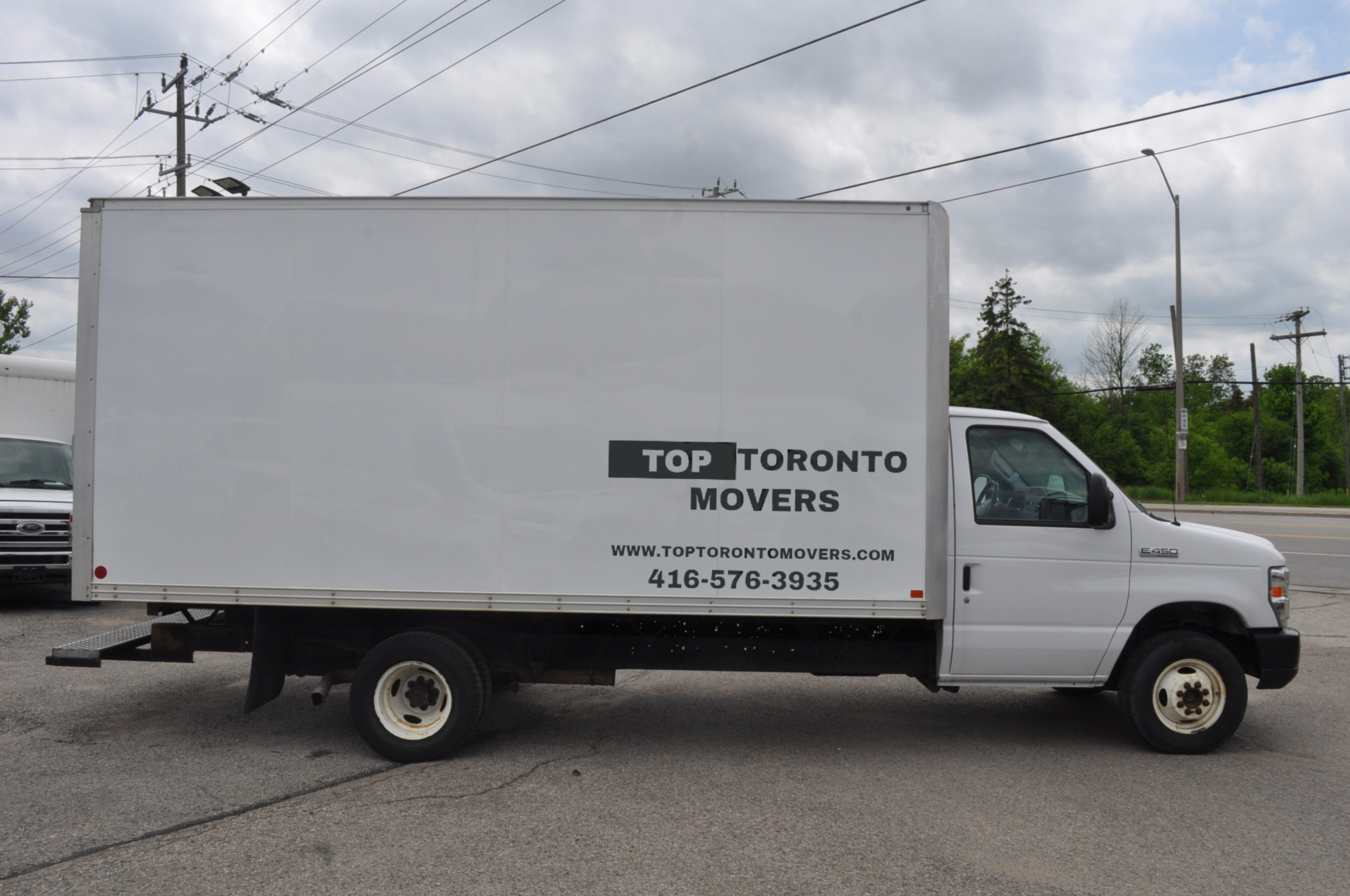
At Top Toronto Movers, we help customers plan local, condo, apartment, office and long-distance moves throughout Toronto and the GTA. Tell us what you’re moving, your pickup and delivery addresses, and any elevator or stair details so we can recommend an appropriate crew and prepare a quote.
Request a moving quote from Top Toronto Movers, or use our Guide to Moving in Toronto for more planning advice.